
The cost of political opportunism
The Florios of SicilyThis flow traces Vincenzo Florio’s transactional approach to political power and the moral consequences of surviving successive regimes.
increasing Bearing strength in each event
 decreasing
Bearing strength in each eventdecreasingA merchant’s neutrality
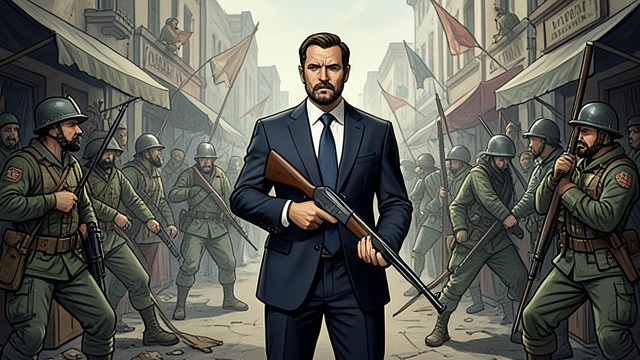
A merchant’s neutrality
Risks rise
Vincenzo Florio is asked to support the Sicilian revolution while his ships, foundry, and trade are exposed to seizure. He purchases rifles for the revolutionary government but resists giving up control of his enterprise.
A calculated position
He weighs the cause against the survival of the families dependent on his business. His decisions are shaped by opportunity and fear as much as by any declared political allegiance.
The novel presents neutrality not as absence of choice but as a strategy with costs that others may judge harshly.
Surrender and condemnation
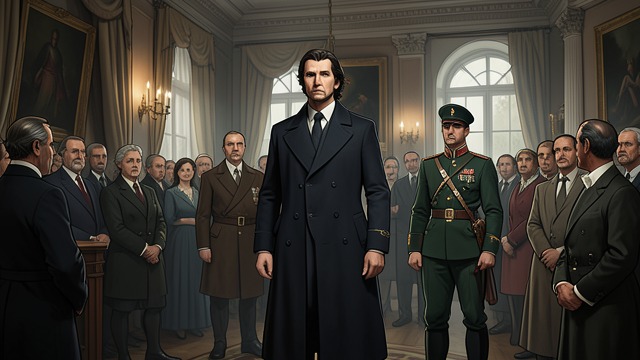
Surrender and condemnation
A negotiated survival
Vincenzo Florio trusts that Carlo Filangeri can help protect him after the Bourbon reconquest. He and other wealthy citizens accept surrender rather than risk a prolonged bloodbath.
A patriot’s accusation
Pasquale Calvi condemns the merchants and aristocrats who chose their property over the independence movement. Vincenzo defends the decision as a way to avoid further deaths.
Both positions carry weight: caution preserves lives and livelihoods, while political compromise leaves the people’s hopes for freedom betrayed.
Changing masters
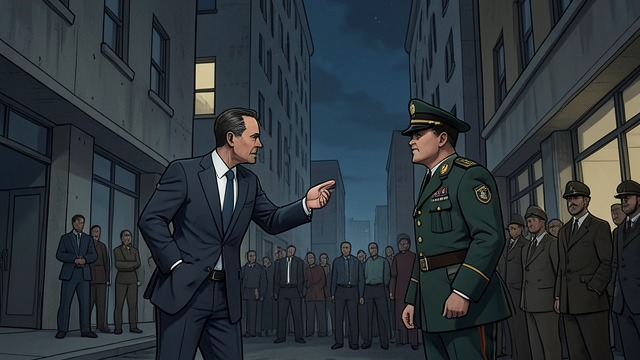
Changing masters
A new negotiation
As Giuseppe Garibaldi’s forces advance, Vincenzo Florio offers Francesco Crispi information about the Royal Bank in exchange for protection and a new credit institution. He argues that his previous service to the Bourbons was not a free choice.
A lasting question
The bargain protects Casa Florio, but it also confirms that Vincenzo treats rulers as powers to negotiate with rather than ideals to trust. The island changes governments without resolving who controls its wealth.
His pragmatism keeps the enterprise alive, yet the story leaves its moral and civic consequences open.
1848
1849
1860
